Deutsch
 Türkçe
 Български
 српски

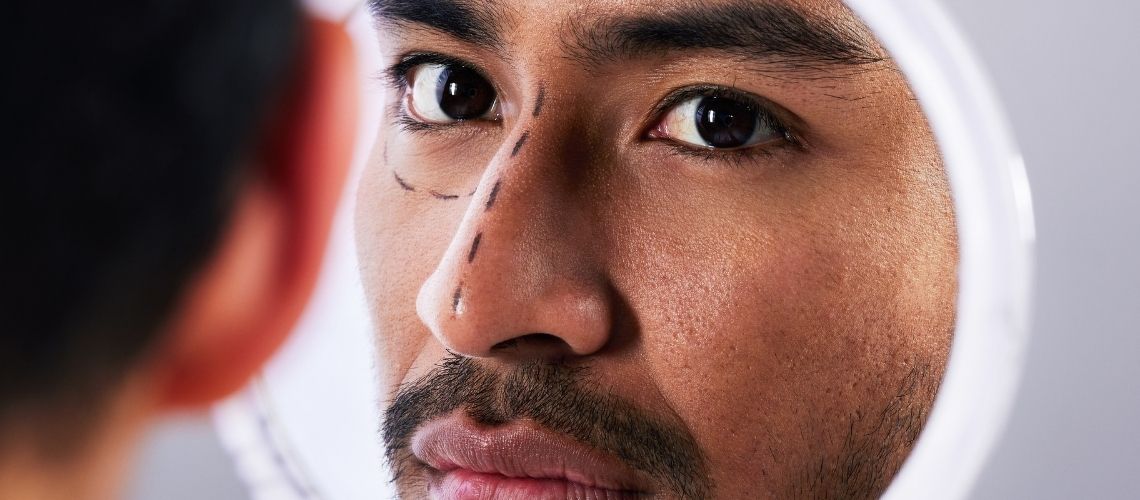
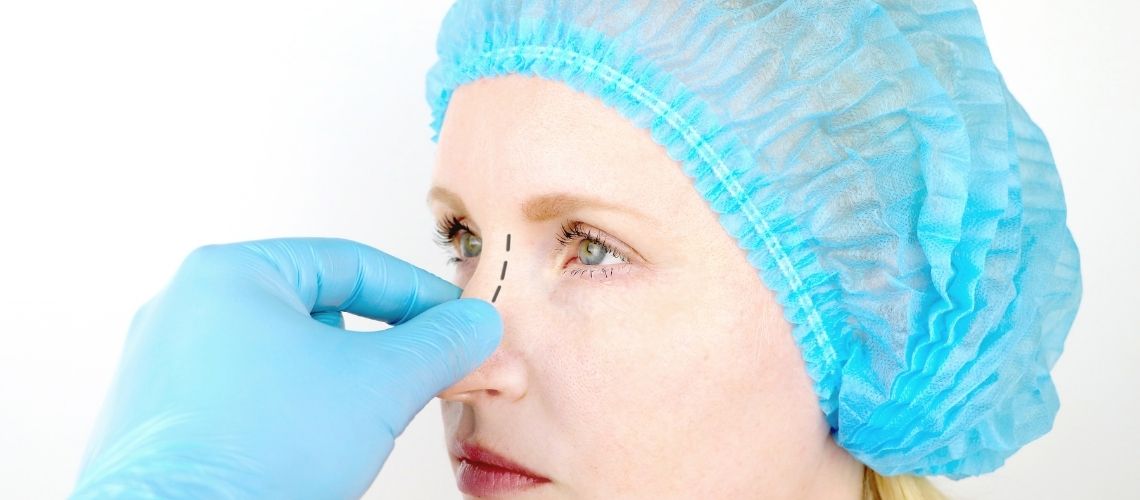
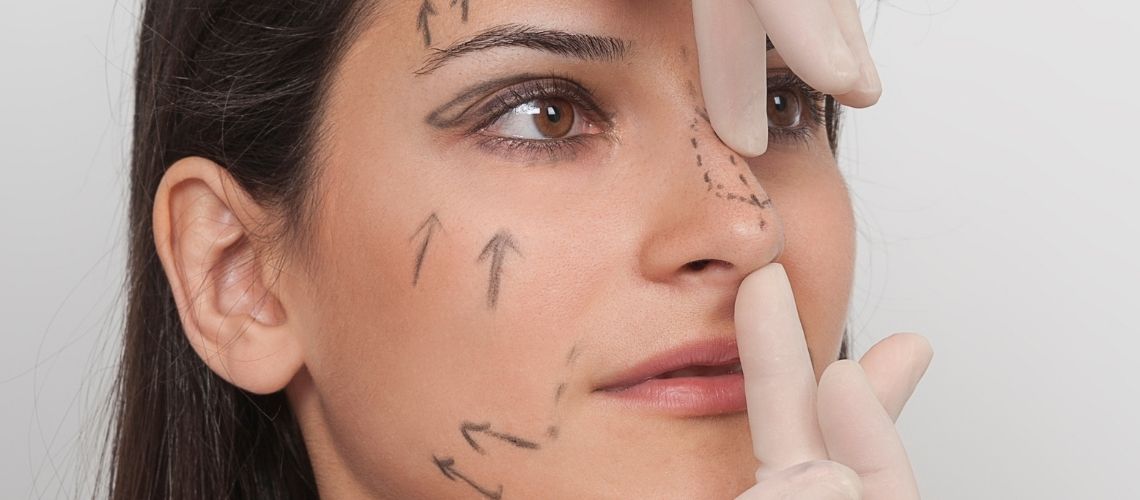
A failed nose job can be recognized by persistent breathing difficulties, visible deformities, or asymmetries that do not resolve with healing. Dissatisfaction with appearance despite adequate healing is also a common indicator.
Signs of poor structural support, such as nasal collapse or excessive narrowing, may appear over time. These functional issues often require revision surgery.
Unnatural results, such as an over-reduced bridge or pinched tip, are further signs of unsuccessful rhinoplasty. Proper evaluation distinguishes between temporary swelling and permanent flaws.
Consultation with an experienced surgeon is essential for diagnosis and planning. Revision rhinoplasty may be necessary to restore both function and aesthetics.
| Condition | Failed Nose Job (Unsuccessful Rhinoplasty / Revision Rhinoplasty Candidate) |
| Definition | A condition in which a previous rhinoplasty results in unsatisfactory cosmetic appearance, functional breathing problems, or both, potentially requiring revision surgery. |
| Common Causes | Excessive tissue removal, inadequate structural support, poor healing, scar tissue formation, trauma after surgery, infection, or unrealistic expectations. |
| Common Symptoms | Nasal asymmetry, irregular contours, collapsed nasal bridge, pinched tip, breathing difficulty, persistent swelling, or dissatisfaction with appearance. |
| Functional Problems | Nasal obstruction, valve collapse, septal deviation, reduced airflow, or chronic nasal congestion. |
| Cosmetic Concerns | Crooked nose, over-rotated or drooping tip, saddle nose deformity, persistent hump, asymmetry, or visible irregularities. |
| Diagnosis | Based on medical history, physical examination, nasal function assessment, photographic analysis, and, when necessary, imaging studies. |
| Treatment Options | Observation for complete healing, non-surgical camouflage with fillers in selected cases, or revision rhinoplasty for structural correction. |
| Revision Surgery Timing | Revision rhinoplasty is generally recommended after adequate healing from the initial procedure, commonly at least 12 months after the primary surgery unless urgent intervention is required. |
| Anesthesia | Usually performed under general anesthesia, depending on the complexity of the revision procedure. |
| Procedure Duration | Approximately 2–5 hours, depending on the extent of correction required. |
| Surgical Technique | May involve cartilage grafting, structural reconstruction, scar tissue release, septal correction, and reshaping of bone and cartilage. |
| Cartilage Grafts | Cartilage may be obtained from the nasal septum, ear, or rib when additional structural support is needed. |
| Recovery Time | Initial recovery typically takes 1–2 weeks, while swelling gradually improves over several months. Final results may take 12–18 months to develop. |
| Expected Benefits | Improved nasal appearance, restored structural support, enhanced breathing, and increased patient satisfaction. |
| Possible Risks | Bleeding, infection, prolonged swelling, persistent asymmetry, breathing difficulties, scar formation, graft-related issues, or the need for additional revision procedures. |
| Activity Restrictions | Avoid strenuous exercise, heavy lifting, contact sports, and trauma to the nose until cleared by the surgeon. |
| Long-Term Outlook | Most patients achieve significant improvement, although revision procedures are generally more complex and outcomes may be less predictable than primary rhinoplasty. |
| Follow-Up Care | Regular postoperative examinations are essential to monitor healing, assess function, and evaluate the final aesthetic outcome. |
| When to Seek Medical Attention | Seek prompt medical evaluation if severe bleeding, high fever, increasing redness, persistent breathing difficulty, severe pain, or signs of infection occur. |
What Are the Signs of a Collapsed Nasal Bridge in Nasal Aesthetic Surgery?
A collapsed nasal bridge after rhinoplasty is one of the obvious signs of a failed surgery. This situation occurs due to the excessive removal of bone and cartilage by an inexperienced surgeon. A significant collapse occurs in the nasal bridge. This situation arises as a result of the weakening of the internal supports of the nasal structure. The typical signs of a collapsed nasal bridge are:
- Abnormal flatness in the nasal profile: Flattening of the nasal bridge is noticeable in the side view.
- Visually unbalanced facial features: The collapse of the nasal bridge creates a disproportionate appearance with the other parts of the face.
- Irregularities in the nasal skin: Due to the collapse, indentations and protrusions may form on the nasal skin.
These symptoms are an indication of dissatisfaction after rhinoplasty and the necessity of repeated surgery. Patients are advised to notice such changes and consult a healthcare professional.
How to Recognize an Asymmetrical Nose?
One of the obvious signs of a failed nasal aesthetic surgery is nasal asymmetry. Since the nose is located in the center of the face, the mismatch in size and shape is easily noticeable. An ideal rhinoplasty result should be in harmony with the other facial features. If the nose appears significantly larger or smaller in proportion to the facial structure, this can indicate a failed procedure.
- Asymmetry of the Nasal Tip: The nasal tip may be either too sharp or insufficiently defined.
- Irregularities in the Bridge: The nasal bridge may be excessively wide or narrow.
- Nostril Asymmetry: One side may be noticeably different from the other.
These types of aesthetic problems can negatively impact social interactions and personal confidence. Therefore, if the nose appears asymmetrical, it is important to evaluate the situation and seek professional help for corrective intervention.
How to Recognize Symptoms of Constricted Nostrils?
In some cases, the nostrils may become abnormally narrowed after rhinoplasty. This is seen as a result of excessive tissue removal by the surgeon. Here are some symptoms of this problem:
- The nostrils, which were previously round, have assumed a slit-like form after the surgery.
- Difficulty in breathing, especially noticeable when taking deep breaths through the nose.
- Aesthetically unpleasing appearance of the nostrils due to changes in their shape.
These problems are usually due to the excessive removal of tissue. Narrowing of the nostrils restricts airflow and can negatively impact daily life. The following conditions are among the signs of a failed rhinoplasty:
- Excessive narrowing of the inner parts of the nostrils,
- Aesthetically unbalanced and non-functional nasal structure.
These types of problems may require re-evaluation of the surgical intervention. If such symptoms are noticed after rhinoplasty, it is important to consult a doctor.
What Does It Mean if the Nasal Tip is Abnormally High?
An excessively high nasal tip after rhinoplasty is usually due to excessive corrections during the surgery. This leads to a deviation from the natural appearance of the nose and creates an uncomfortable aesthetic look. Patients usually notice this problem in the first months after the surgery. As the swelling decreases, the abnormal height of the nasal tip becomes more noticeable.
- Aesthetic Concerns: The abnormal height of the nasal tip disrupts facial symmetry and creates a noticeable appearance.
- Physical Discomfort: An excessively shortened nose can make breathing difficult.
This type of result may occur due to the excessive removal of tissue from the nasal tip during the surgery. As a result, the nasal tip remains short and upturned, leading to an unwanted appearance known as the “pig nose.” This situation requires treatment and represents both an aesthetic and functional problem for the patient. Advanced correction may be necessary, so it is important to be evaluated by a specialist surgeon. Such a problem encountered after rhinoplasty can be corrected with appropriate intervention.
Difficulty in Breathing as an Indication of Rhinoplasty Failure
Difficulty in breathing after rhinoplasty is one of the obvious signs of a failed operation. This problem can especially arise due to the narrowing of the internal nasal structure. The aim of rhinoplasty is to achieve aesthetic improvements, but it is also essential to preserve the functions of the nose.
- If the patient’s breathing becomes difficult after the operation, this is usually due to unwanted changes in the internal nasal structures.
- Narrowing of the nasal passages restricts airflow and can reduce the quality of daily life.
In such a case, the patient should take the difficulty in breathing seriously and consult a specialist. A detailed evaluation can determine the source of the problem and necessary corrections can be made. Early diagnosis and intervention can prevent long-term problems and protect the patient’s health.
How to Detect Unwanted Width Differences Between the Nasal Bridge and Tip?
After rhinoplasty, the expected appearance should have a harmonious width between the nasal bridge and tip. If a significant width difference is observed between these two areas in the surgical results, this may indicate a failed operation. Ideal rhinoplasty results should provide a natural transition between the nasal bridge and tip. An excessively wide or narrow nasal tip can lead to overall aesthetic imbalances and negatively affect the patient’s facial symmetry.
- Visual Inspection: Observe if the nasal tip is excessively wide compared to the nasal bridge.
- Tactile Inspection: Gently feel the nasal bridge and tip with your fingers to sense the width difference.
Such inspection plays a critical role in evaluating the success of the intervention. Any discrepancy may indicate the necessity for additional corrective procedures.
Signs of Incorrect Nostril Sizes
The size of the nostrils after rhinoplasty is an important indicator of a successful operation. Incorrect nostril sizes can indicate unwanted results from the surgical intervention. Some common problems after surgery may include:
- Imbalance between the nostrils. This occurs when one nostril is noticeably larger or smaller than the other.
- Incompatibility of the nostrils with the overall aesthetics. This manifests as the nostrils being disproportionate to the rest of the face.
If you notice such an imbalance or incompatibility in your nostrils, this may be a sign of a failed rhinoplasty. Such observations may require a follow-up consultation with your surgeon and consideration of corrective procedures if necessary. Aesthetic problems after rhinoplasty are often attempted to be corrected with additional surgical interventions.
Frequently Asked Questions
What happens if a nose surgery fails?
After a failed nose surgery, a person usually faces an unnatural appearance on their face. Additionally, breathing problems may develop, making it difficult to breathe. Postoperative scars may appear in unexpected ways. Psychologically, the person may suffer from a loss of self-confidence, negatively affecting their overall mood. In many cases, a failed nasal aesthetic requires revision surgery or corrective procedures. Therefore, it is of great importance to establish good communication with an experienced ENT specialist and clearly express expectations.
What happens if the nose aesthetics are not liked?
If an individual is not satisfied with the result of the nose aesthetics, they first need to accept the situation. Psychological support during this process can help maintain self-confidence. If dissatisfaction continues, it is advisable to consult an experienced doctor and plan a revision surgery. However, it is important to wait at least six months after the first operation before undergoing new surgical interventions. For lighter corrections, this period may be shorter. In all cases, individual differences should be taken into account.
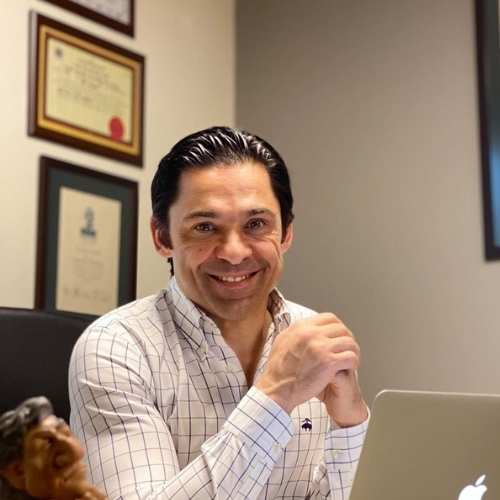
Born in 1975 in Kardzhali, Op. Dr. Alev Camcıoğlu completed his primary and secondary education at Saint Michel French High School and graduated from Kocaeli University Faculty of Medicine in 2001. He completed his specialty training in Otorhinolaryngology and Head & Neck Surgery at the same university, earning the title of ENT specialist in 2008. After his compulsory service and military duty, he enhanced his clinical experience at Istanbul Hospital and Nişantaşı Hospitals.
Since 2016, he has been providing aesthetic and functional nasal surgery services at his private clinic in Istanbul. He specializes particularly in rhinoplasty, revision rhinoplasty, piezo (ultrasonic) rhinoplasty, tipplasty, and septorhinoplasty. His surgical planning combines natural appearance, functional balance, and facial harmony.
Dr. Camcıoğlu carefully analyzes each patient’s facial proportions, skin structure, and breathing functions to perform natural, functional, and aesthetically balanced nasal surgeries. He prefers minimally invasive techniques using modern piezo technology. As a member of the Turkish ENT–HNS Society, Turkish Rhinology Society and the European Rhinologic Society (ERS), Dr. Alev Camcıoğlu is recognized as a trusted name in rhinoplasty in Türkiye thanks to his scientific and patient-centered approach.